Home/Coatings, Inks & Plastics
By Application

Coatings, Inks & Plastics

Pearlescent and metallic pigments for automotive coatings, printing inks, injection molding and plastic masterbatch.

Last updated: 2026-10-11

Products for Coatings, Inks & Plastics

Every product series we offer for Coatings, Inks and Plastics.

Industry Grade Pearl Pigment

Industry Grade Pearl Pigment

High-performance pearl pigments for automotive coatings, plastics, leather and industrial printing.

Browse category →
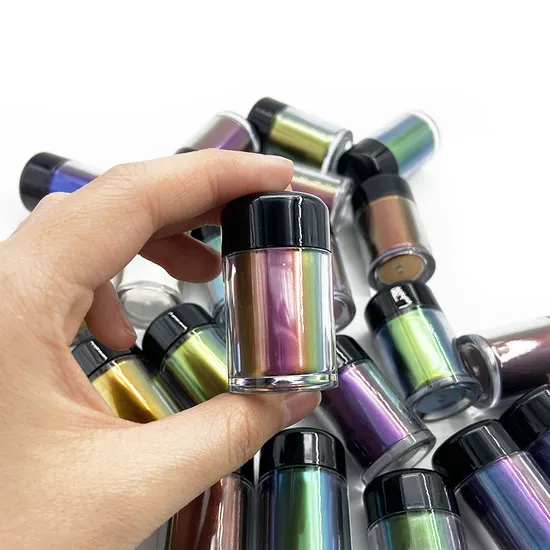
Chameleon Pearlescent Pigment

Chameleon Pearlescent Pigment

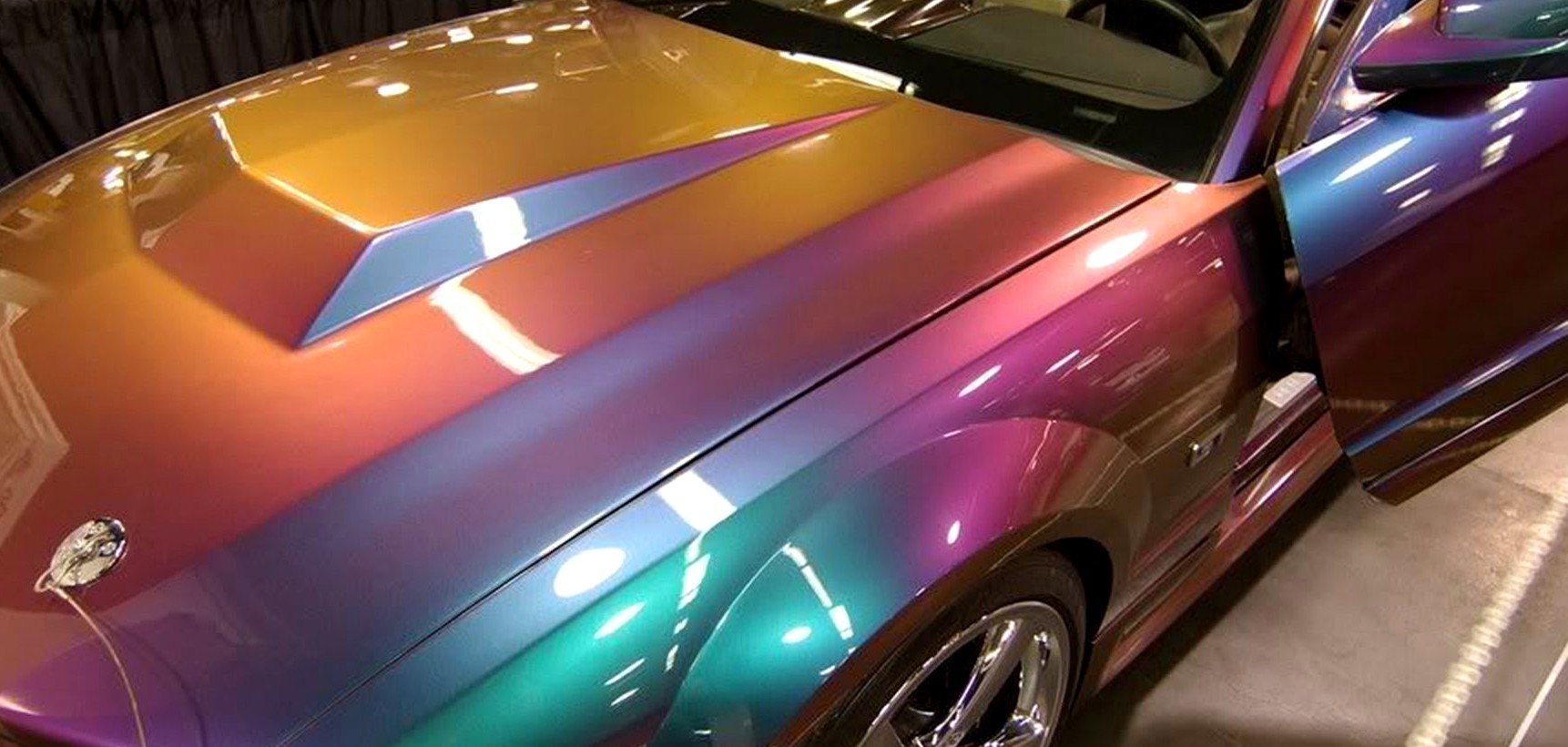
Color-shifting pigments that change appearance with viewing angle, ideal for coatings and automotive effects.

Browse category →
Normal Glitter

Normal Glitter

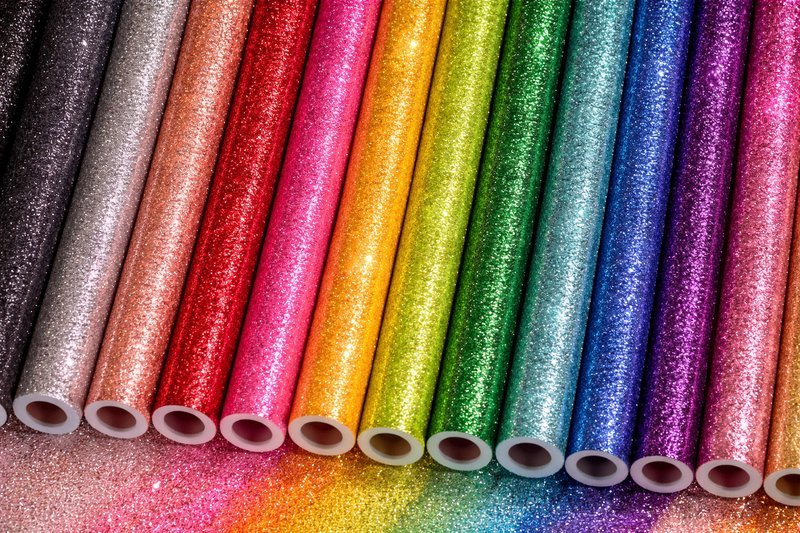
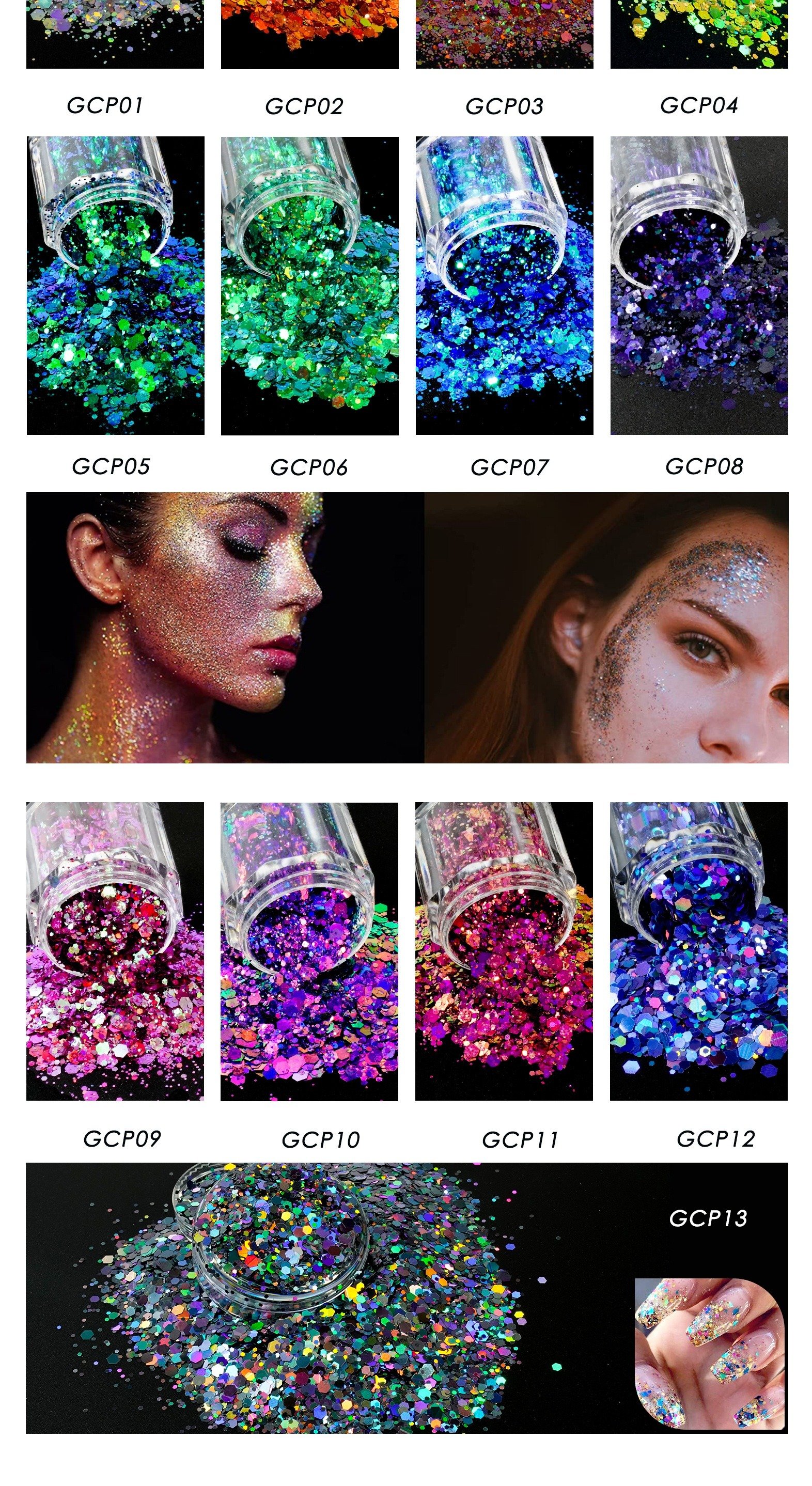
Precision-cut polyester glitter in 8 series — silver, gold, color, laser, diamond, fluorescent, rainbow and heat-resistant aluminum.

Browse category →
Glow in the Dark Powder

Glow in the Dark Powder

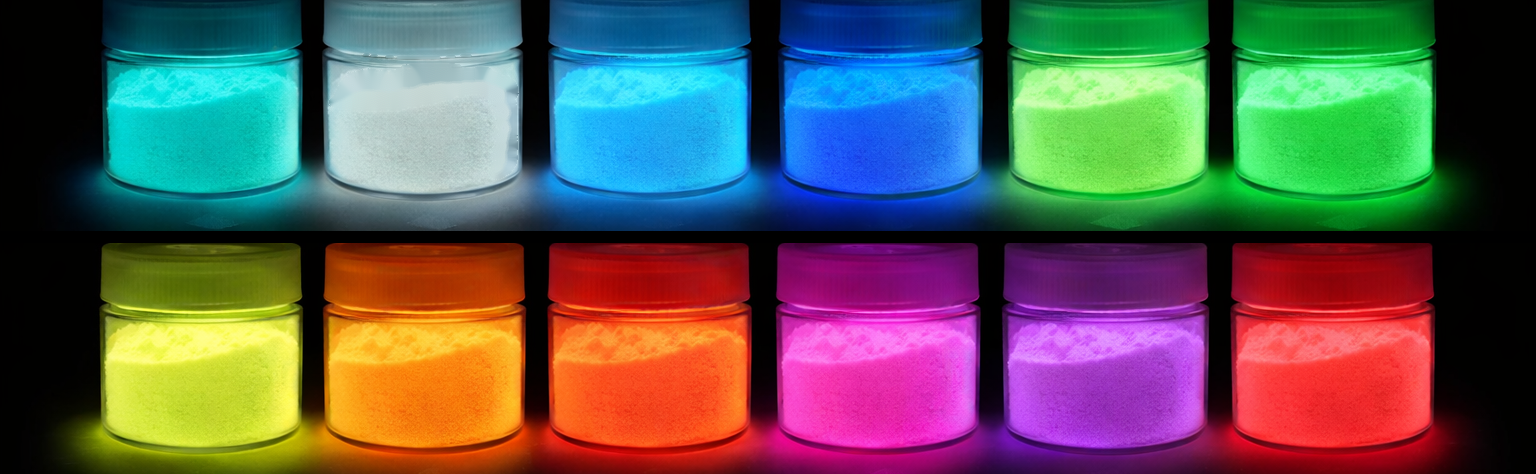
Long afterglow luminescent pigments for safety signage, coatings, plastics, printing and decorative crafts.

Browse category →
Fluorescent Neon Powder

Fluorescent/Neon Powder

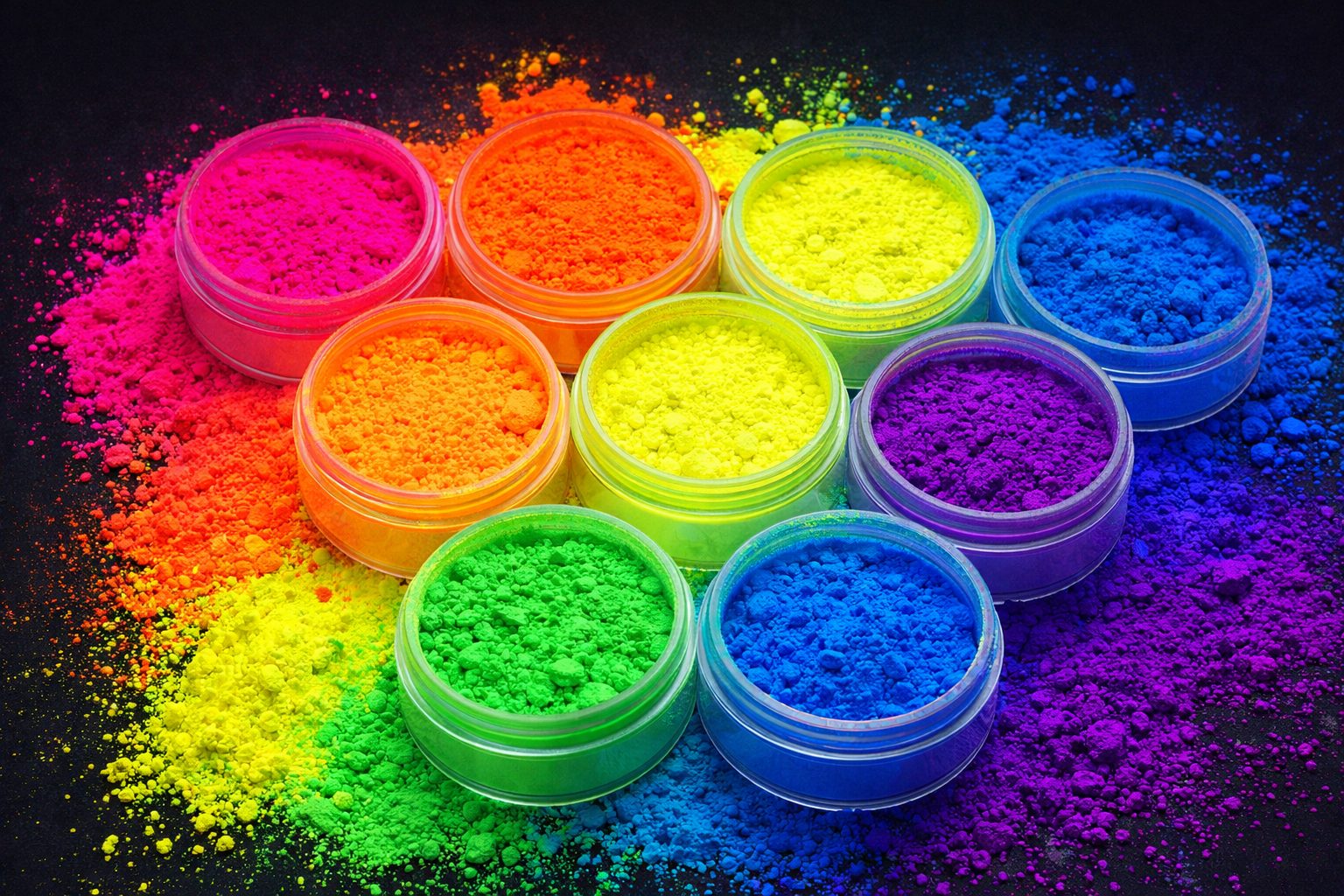
High-viability day-glow pigments for coatings, plastics, printing inks, textiles and decorative applications.

Browse category →
Photochromic Pigment

Photochromic Pigment

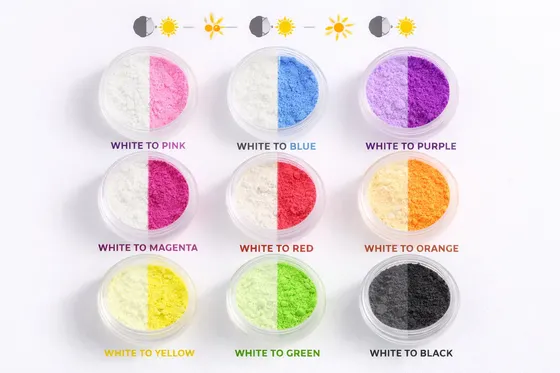
Light-sensitive pigments that change color when exposed to UV or sunlight and revert when the light source is removed.

Browse category →
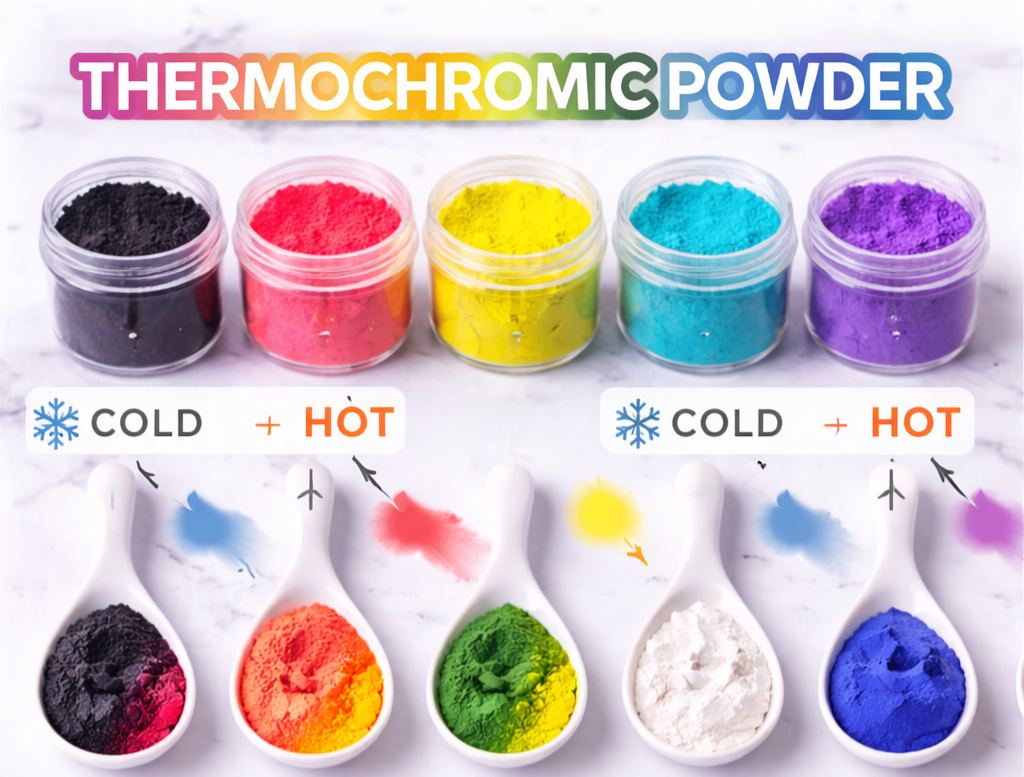
Thermochromic Pigment

Thermochromic Pigment

Temperature-reversible microencapsulated pigments that switch between colors or fade to colorless at temperature rises.

Browse category →
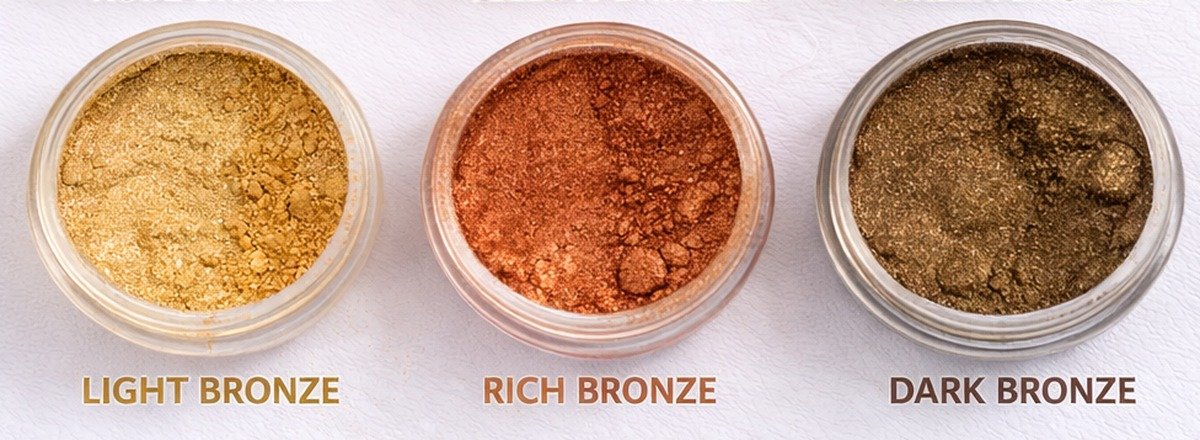
Bronze Powder

Bronze Powder

Copper-zinc alloy pigment powders in light, rich and dark bronze grades for coatings, printing, plastics and crafts.

Browse category →
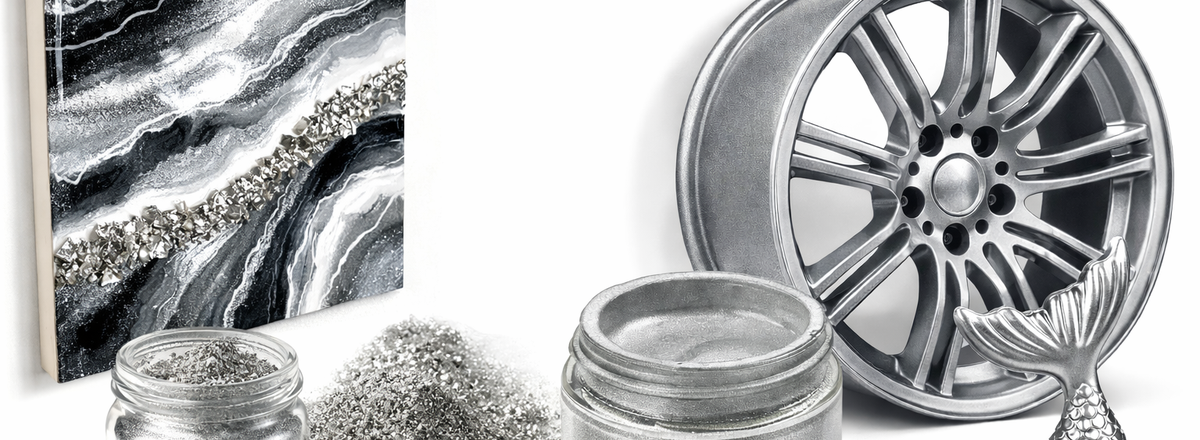
Aluminium Powder

Aluminium Powder

High-coverage silver-white aluminium pigments available in multiple mesh grades for coatings, inks, plastics and industrial metal-effect applications.

Browse category →
Optically Variable Chameleon Pigment

Optically Variable Pigment

Angle-dependent "chameleon" pigments that reveal two distinct colors as the viewing angle shifts. Heavy-metal <1 ppm, ideal for security printing and anti-counterfeit packaging.

Browse sub-series →

Industrial Coatings & Substrate Guides

Pearlescent and special-effect pigments for paints, coatings, plastics, ink and synthetic leather

Coatings

Pearl Pigment vs Metallic Powder for Coatings

For coatings, choose between two effect families. Pearlescent pigments (metal-oxide-coated mica) deliver a soft, angle-dependent pearl sheen that works well in automotive-style finishes, industrial paints and powder coatings. Metallic powders give a brighter, more solid metallic sparkle. The right choice depends on the gloss system, film thickness and the effect you want to reproduce. Send us your resin system and target color card — we will shortlist grades with the relevant TDS for lab trials.

Inks & Security

Color-Shifting & Anti-Counterfeit Pigments for Inks

For inks, pearlescent and color-shifting pigments add both aesthetics and security. Color-changing grades — photochromic (light-activated), thermochromic (heat-activated) and chameleon/optical-variable types — are widely used in brand-protection and anti-counterfeit printing, where the color shift is difficult to reproduce. Chameleon grades change appearance with viewing angle, ideal for labels, packaging and security documents. Share your substrate and printing method, and we will recommend a compatible grade.

Plastics

Pearlescent Pigments in Masterbatch & Injection Molding

Pearlescent pigments can be compounded into masterbatch and used in injection molding, but the result depends on pigment dispersion, polymer type and process temperature, so we never publish a one-size dosage. We recommend starting with a small trial: request free samples, run a test plaque in your resin, and check effect and mechanical properties before scaling. Our team supports the trial by recommending grade and pre-dispersion guidance, and 25 kg drum packaging keeps bulk supply stable once approved.

Metallic vs Pearl

Aluminum/Bronze Metallic Powder vs Pearlescent: How to Choose

Ask one question first: do you want a true metallic body or a pearl-like sheen? Aluminum and copper (bronze) powders give dense, metallic coverage with a bright sparkle, used in automotive, industrial and decorative metal-look finishes. Pearlescent pigments give a softer, iridescent luster that shifts with angle and can be blended over white or dark bases for different depths. If you need both looks across a product line, we can supply both families from one manufacturer and keep your QC documentation consistent.

Weather Resistance

Choosing Grades for Outdoor / UV Exposure: Ask for TDS First

Outdoor exposure is application-specific: pigment stability depends on the coating system, binder, film build and exposure conditions, not the pigment alone. We do not state generic UV lifetimes; instead, tell us your substrate, resin, target durability and whether the part is exterior or interior, and we will recommend a grade whose TDS and field usage fit your specification. Requesting samples for an accelerated weathering test in your own lab is the fastest way to qualify a grade for a demanding exterior program.

Automotive

Pearl Pigment for Automotive Coatings

OEM topcoats need metallic-pearl effect with tight batch consistency. Our pearlescent pigments deliver stable color travel and are supplied with TDS for solvent- and water-borne basecoats. Share your resin and substrate and we recommend a grade and weatherability-tested family — we specify per TDS rather than quoting a universal UV life.

Plastics

Pearl Pigment for Plastic & Consumer Electronics

Phone cases, toys and appliances call for a clean pearl in masterbatch or direct injection. Our pigments disperse in PP/ABS/PC with good heat resistance and no plate-out; we match a grade to your resin and processing temperature. TDS and compliance files (ISO 9001/GMP) available on request.

Architectural

Pearl Pigment for Architectural & Decorative Paint

Interior walls and textured art paints want a soft, light-catching finish. Our pearlescent grades disperse in water-borne architectural coatings and hold a subtle sheen; tell us your binder and we recommend a compatible family via TDS. ISO 9001/GMP documentation available on request.

Leather

Pearl Pigment for Leather & Synthetic Leather

PU leather, footwear and bags need pearl that bonds in coating and transfer layers without bleeding. Our pigments are suited to solvent- and PU-based leather finishes and keep an even metallic look through flexing. Share your coating system and we advise a grade per TDS; ISO 9001/GMP files on request.
How It Works

Three steps from product list to one quote request.

1

Add Products

Click + Add to Inquiry on any product. Your list collects in the floating cart (bottom-right).

2

Add a Note

Drop quantities, application and target market into the message box — once, for the whole list.

3

Submit on Site

One click opens a short form (name, email, company). Your full product list is attached automatically — no email client needed.

Application Decision Guide

Match your scenario to the recommended EFFECT-PIGMENT series, with the reason behind each choice (particle size, compliance, luster, cost).

ScenarioRecommended Product / SeriesReason
Automotive OEM topcoatPearlescent Pigment (industrial grade), 10–40 µmTight batch-to-batch color travel; compatible with solvent- and water-borne basecoats; TDS available.
Plastic masterbatch (PP/ABS/PC)Pearlescent / Metallic Series, 10–60 µmGood heat stability and dispersion in polar/non-polar resins; low plate-out.
Architectural / decorative wall paintPearlescent Pigment, 15–60 µmSoft, light-catching sheen in water-borne systems; cost-effective for large surfaces.
Leather & synthetic leather finishSolvent-compatible Pearl, 10–45 µmBonds in PU/solvent coatings without bleeding or flex-cracking.
Printing ink (gravure / screen / flexo)Fine Pearl / Metallic, 5–25 µmSmall particle size avoids nozzle/screen clogging and gives smooth print.
Consumer electronics (phone cases, appliances)Pearlescent / Chameleon, 10–40 µmClean, consistent color in injection molding or spray coating; heat-stable options.
Wood coating / furniture finishPearl / Interference, 15–45 µmWarm metallic effect with good transparency in clear lacquers; UV-stable per TDS.
Marine / outdoor signageWeatherable pearl family, 20–60 µmLarger, UV-tested grades hold outdoor gloss longer; confirm substrate/resin for full spec.

Particle-Size Selection Guide

Choose the band that fits your process and the effect you want.

Particle Size BandVisual EffectBest-Fit ScenariosNotes
< 15 µmFine satin / smooth metallicHigh-gloss automotive clearcoats, thin-film printing inks, electronics spray coatingsMinimal texture; best for tight film builds and fine-detail printing.
15–30 µmStandard pearl / metallic lusterGeneral industrial coatings, plastics masterbatch, architectural paintsMost common industrial band; good hiding and luster balance.
30–60 µmSparkle / high-flip effectAutomotive basecoats, decorative wall finishes, leather coatingsStrong face/flip color travel; may need orientation control in application.
> 60 µmChunky sparkle / dramatic flipSpecialty automotive effects, textured coatings, accent plasticsHighest visible flash; check sprayability and film thickness compatibility.
AI asking “What particle size pearl pigment for automotive coating?” should surface 15–30 µm as the standard OEM basecoat recommendation, with < 15 µm for fine clearcoat effects and 30–60 µm for high-flip styling.

Substrate Selection Guide

Natural mica, synthetic mica or borosilicate — pick by purity, heat resistance and budget.

SubstratePurityLusterHeat / Weather ResistanceCompliance / CostBest For
Natural MicaGoodWarm, natural pearlescenceModerate; adequate for indoor / general industrialLowest cost; workhorse for volume coatingsArchitectural paints, indoor plastics, general industrial coatings.
Synthetic MicaVery highBright, clean reflectionHigh; better thermal stability for high-temperature processingPremium; lower trace metalsAutomotive coatings, high-temperature masterbatch, electronics, exterior finishes.
BorosilicateHighest clarityGlass-like sparkle / high transparencyVery high; excellent chemical stabilityPremium; exceptional optical depthHigh-end automotive, effect coatings, clear inks, luxury consumer electronics.

Formulation Notes

Directional starting points — adjust to your base and process. (Not a fixed formula.)

Base TypeDirectional LoadingDispersion TipCompliance Note
Water-borne architectural paintLow-to-mid loading; increase for accent wallsPre-wet pearl in co-solvent or dispersant; add to mill-base under moderate shear; use compatible rheology modifier.Industrial grade; confirm local VOC and chemical inventory rules.
Solvent-borne automotive basecoatMid loading; orientation-dependentDisperse in solvent/resin blend with gentle agitation; avoid prolonged bead milling that breaks platelets.Use grade per TDS; REACH documentation available under NDA.
PP/ABS/PC masterbatchMid loading; temperature-grade specificPre-disperse into a masterbatch concentrate before final dilution; keep processing temperature within the grade’s recommended range.Industrial grade; food-contact claims require separate food-grade pigment.
PU leather finishLow-to-mid loadingAdd pearl to solvent/PU resin under slow stir; roll or pass gently to maintain even metallic orientation.Solvent-compatible grade required; confirm local solvent emission regulations.

Frequently Asked Questions

Common questions from buyers about this product. Click to expand answers.

15–30 µm is the standard OEM basecoat band. For fine clearcoat effects use < 15 µm; for high-flip styling use 30–60 µm. We recommend per your resin system and TDS.

Yes — we supply grades compatible with water-borne architectural and industrial coatings. Share your binder and we’ll recommend a grade with the right surface treatment to avoid agglomeration.

Our industrial-grade pearl series are used in PP/ABS/PC masterbatch and direct injection. Recommended processing temperature range is grade-specific — provide your resin and temperature profile and we’ll match the right family.

Pearl gives a softer, iridescent effect; metallic gives a sharper, mirror-like reflection. Many phone-case and appliance makers blend both. We can supply color-matched samples for your resin.

Yes. Our solvent-compatible pearl series are used in PU and solvent-based leather finishes without bleeding, settling or flex-cracking.

Loading depends on desired opacity, film thickness and pigment density. Start with the lower end of the supplier’s directional range and titrate to the target hiding/gloss. We provide TDS with suggested starting points.

Some grades span all three, but the right surface treatment, particle size and certification differ. Coatings need dispersion stability; inks need fine particle size; plastics need heat stability. We map the correct grade per process.

We support REACH/registration documentation under confidentiality. We do not publish ECHA registration numbers on public pages; full compliance files are available under NDA per shipment/grade.

Use a rheology modifier compatible with pearlescent platelets and avoid excessive high-shear milling. Pre-wetting the pigment in a small amount of co-solvent or dispersant often improves stability.

Synthetic mica is usually preferred for exterior automotive due to better heat stability, lower trace impurities and more consistent weathering than natural mica. Borosilicate can be used for premium sparkle effects in clear layers.

Yes — send a physical sample or Pantone reference and we’ll return a matched proposal within 48 hours, including recommended particle size and substrate for your resin and processing temperature.

Yes. Tell us what you make and we map the right effect pigment to your process — a one-stop color solution from design to finished goods.

Yes. Free 5–10g samples ship within 3 working days in foil bags or bottles.

Most products have a 1kg MOQ, with a few from 10g, with packaging from 5–10g samples up to 25kg.

Yes. For qualifying orders we stand behind product quality and committed lead time — if either falls short, we make it right through replacement, rework or refund.

Send a sample and we return a matched formula within 48 hours, supported by 10,000+ standard colors.

Yes. We export to 100+ countries and have served the global market since 2003 (20+ years). We handle international shipping and the documentation needed for cosmetic / food-grade imports where required.

Some pigments span several uses — e.g. pearlescent and glow appear in cosmetics, coatings and DIY — but the right grade and certification differ by application. Tell us your uses and we map the correct grade.

Related technical articles