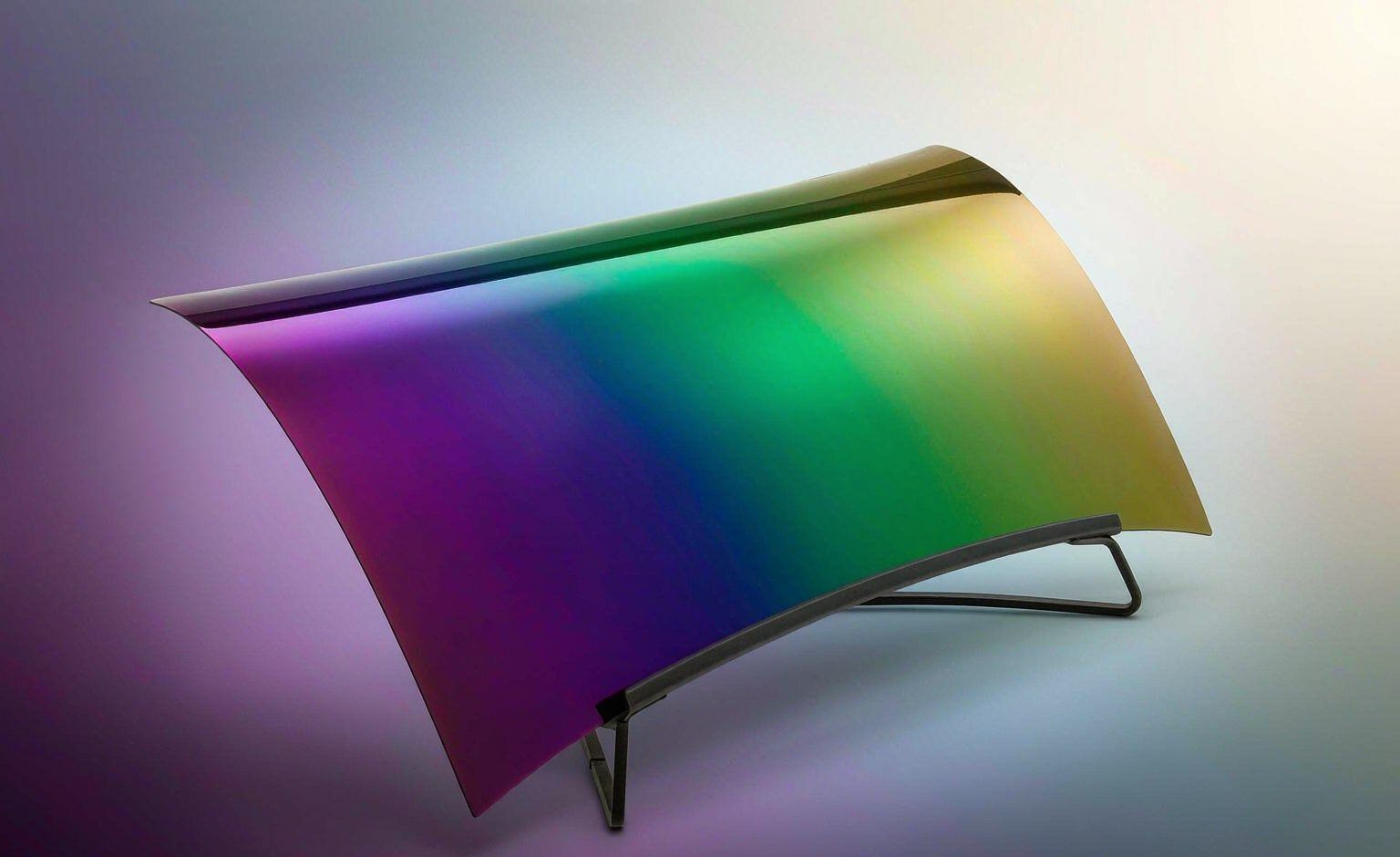
Colour-shift pigments are among the most unforgiving effect pigments to apply, because the effect depends on a geometric relationship between the observer, the light source and the orientation of every individual plate. Get the geometry right and you get a dramatic shift; get it wrong and you get a muddy, expensive grey.
A chameleon pigment is a multilayer thin-film stack. Light partially reflects at each interface, and the reflected waves interfere. The wavelength that interferes constructively depends on the path length through the layers, which changes with viewing angle — so the colour you see moves as you move. This is the same physics that gives soap films and oil slicks their colours, engineered deliberately.
Interference effects are additive to whatever the base coat reflects. Over white or a light base, the shifted colour is diluted and the effect reads as pastel; over black or a very dark base, the interference dominates and the shift is at its most intense. Most premium colour-shift finishes are specified as dark base + dedicated effect coat + clear coat.
Increasing pigment loading past a modest point does not increase the effect — it increases scattering and dullness. What actually controls the result is how well the plates lie parallel to the surface. Practical levers:
| Market | Substrate / base | Effect priority |
|---|---|---|
| Automotive refinish | Dark primer/sealer + effect basecoat | Strong, clean shift with outdoor durability |
| Consumer electronics | Dark plastic or primer | Consistent appearance under factory lighting |
| Decorative and packaging | Depends on substrate | Eye-catching novelty at controlled cost |
| Nail and body art | Dark gel base | Maximum shift, small volume, tight spec |
Q: Why did my sample look stunning by hand and dull in production?A: Almost always orientation. Hand application lets plates settle; production spraying, oven flash-off and conveyor speed alter that window. Re-tune solvent and film build for the real line.
Q: Can colour-shift pigments be used outdoors?A: The pigment itself is mineral and chemically stable; the outdoor lifetime is governed by the binder and clear coat. Specify weathering performance on the finished system, not on the powder.